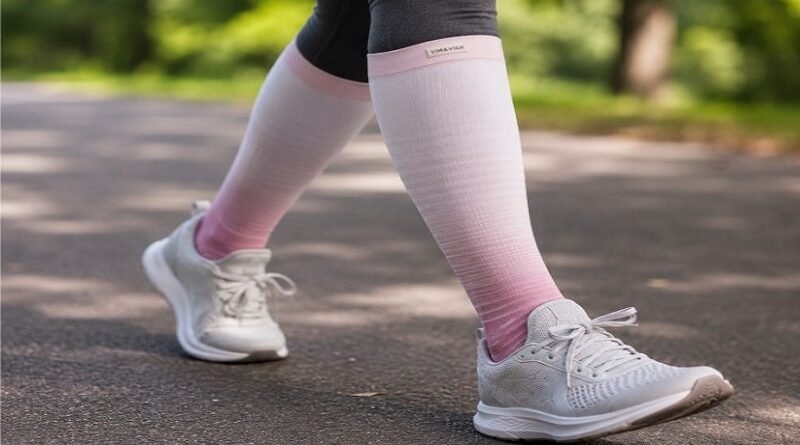
Can You Wear Compression Socks During Pregnancy? When They May Be Most Useful
Staying active during pregnancy is one of the more consistent pieces of advice from OB-GYNs and physical therapists alike, but active bodies still change shape, and the legs are usually the first place that shows.
Ankles that never used to swell start puffing up after a walk. Calves feel heavier by the end of a training day. For women trying to keep up a running habit, a lifting routine, or just a full workday on their feet, this can feel like a new and confusing variable.
Compression socks come up often in these conversations, and for good reason. They are one of the few pregnancy-safe tools with a straightforward mechanism behind them, rather than a trend riding on anecdotes.
What is actually happening in your legs during pregnancy
Blood volume rises by close to 50 percent over the course of a pregnancy, and all of that extra volume still has to travel back up the legs against gravity.
A growing uterus adds pressure on the vein responsible for that return trip, which slows things down further.
The result is fluid that pools lower in the leg instead of circulating the way it normally would, especially after standing, sitting for long stretches, or finishing a workout.
This overlaps with a lot of what athletes already understand about recovery. The same principles behind why everyday habits matter more than the workout itself apply here: circulation, hydration, and movement between sessions matter as much as the training itself, and pregnancy simply raises the stakes on getting those basics right.
Are compression stockings safe to wear during pregnancy
For most pregnant women, yes. Graduated compression, meaning the sock is tightest at the ankle and gradually loosens toward the knee, is a widely recommended, non-medication way to support circulation as blood volume climbs.
It is the same mechanism used in compression stockings during pregnancy made by Vim & Vigr, which were built specifically to fit a changing shape rather than being a general sock stretched to cover pregnancy.
The brand’s maternity options are designed with pregnancy and a changing body shape in mind, combining graduated compression with features intended to make longer periods of wear more practical.
Depending on the style, the socks are available in different compression levels, materials and designs, giving women options for everyday wear, work, travel or staying active.
VIM & VIGR also puts noticeable emphasis on comfort and appearance. Rather than relying on the clinical look traditionally associated with compression hosiery, its collection includes different colors, patterns and fabric choices.
During pregnancy a sock may need to be worn for several hours at a time and become part of an everyday wardrobe rather than something reserved for recovery.
“For a long time, compression socks were viewed strictly as something for post-surgery or the elderly. But when you look at pregnancy, the body experiences a 50% increase in blood volume. Expecting mothers are working, traveling, and staying active, and they shouldn’t have to choose between functional venous support and their personal style.” — Michelle Huie, VIM & VIGR
A compression sock does not need to look clinical to do its job. For women accustomed to wearing performance gear, the combination of graduated support, wearable materials and more style-conscious designs can make compression easier to incorporate into a daily routine, and consistency is ultimately what makes a practical support garment useful.
When compression socks tend to help most
Long walks, runs, or standing workouts: Graduated compression can reduce that heavy, sluggish feeling in the calves during and after activity, which is part of why athletes reach for it outside of pregnancy too.
- Travel days: Sitting for extended periods on a flight or in a car slows circulation further, and pregnancy adds an extra layer of risk for clot formation on long trips. Compression is one of the more practical in-transit habits.
- Second and third trimester workdays: Standing or sitting for hours at a stretch tends to be when swelling shows up most, particularly by late afternoon.
- Post-workout recovery: Wearing compression after a training session, similar to how many athletes approach cold therapy and other recovery tools, can help legs feel less heavy before the next day’s session.
What to look for before you buy
Compression level: Most pregnant women do well with a mild-to-moderate 15 to 20 mmHg for daily and workout wear. Anything firmer should be discussed with a provider first, particularly for women with existing varicose veins.
- Fit: Knee-high styles are the standard for pregnancy since that is where circulation pressure concentrates. A sock that digs in at the top or slides down mid-run is working against you, not for you.
- Material: Moisture-wicking fabric matters more during a workout than at rest. Breathable blends prevent the sock from becoming its own source of discomfort on a hot training day.
When to check with your provider first
Compression socks are a supportive tool, not a treatment.
Sudden or one-sided swelling, leg pain, redness, or swelling paired with a headache or vision changes are signs to call a provider right away rather than reaching for socks.
For everyday heaviness and post-workout puffiness, though, compression is one of the simpler habits worth building into a pregnancy training routine.